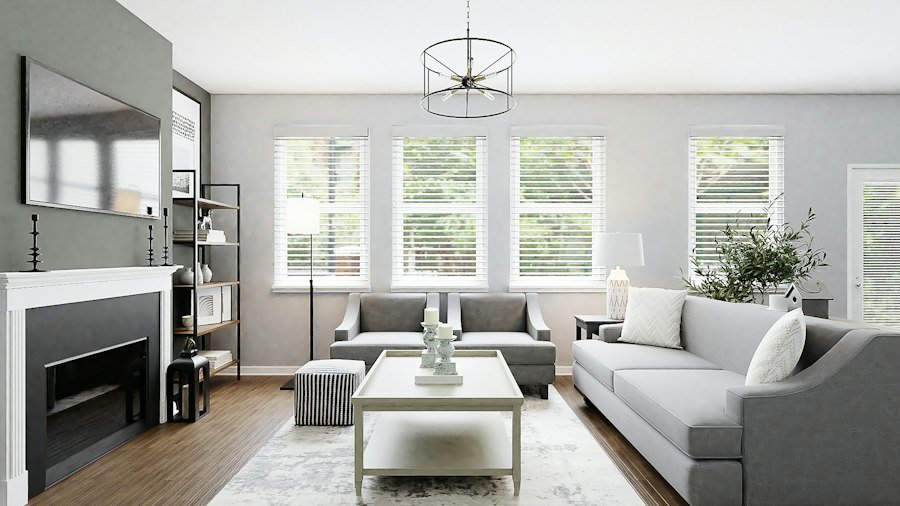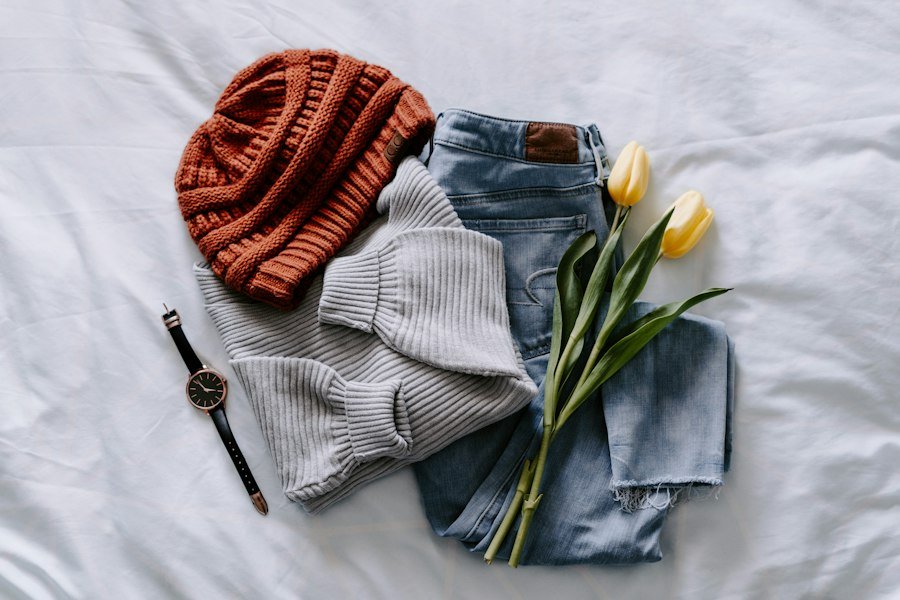
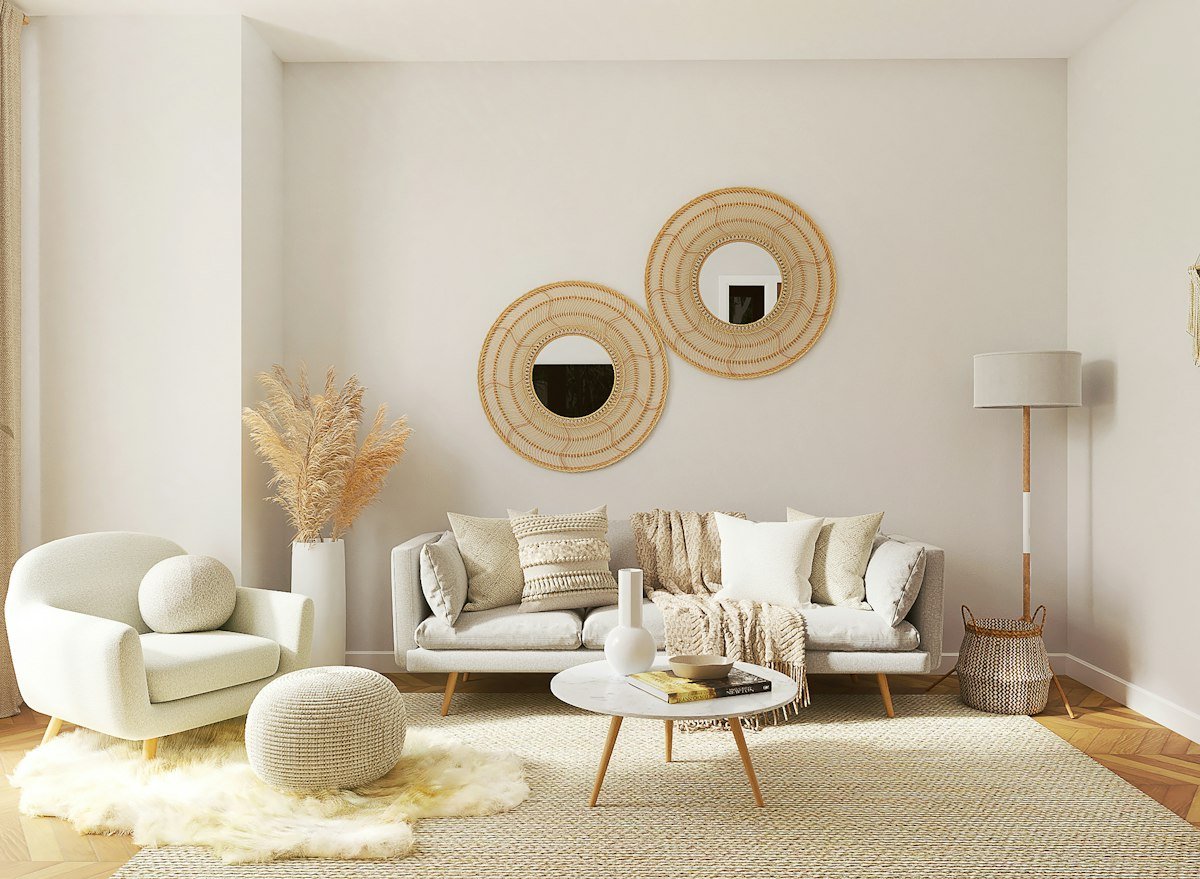
Colour is one of the most powerful and affordable tools an interior designer has. The same room can feel calm, energetic or cosy depending on the palette.
Warm and cool
Warm colours such as terracotta and ochre make large rooms feel intimate and welcoming. Cool blues and greens help small rooms feel airy and calm.
The 60-30-10 rule
A simple starting point: 60% main colour on walls and large surfaces, 30% secondary colour in furniture and fabrics, and 10% accent colour in accessories.
Test in real light
Paint looks different in morning sun, evening light and under LEDs. Always test large swatches on the actual wall before deciding.